Nhận dạy Photoshop, illustrator, Indesign, Corel Draw tại Hà nội

Chủ Nhật, 16 tháng 4, 2023

Exploring the World of Espresso: Characteristics and Common Extraction Scenarios

tháng 4 16, 2023

What is Espresso?

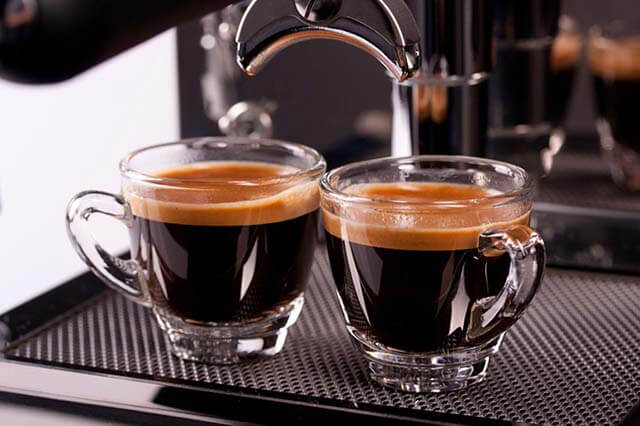
Espresso is a concentrated coffee beverage that originated in Italy in the early 20th century. It is made by forcing hot water, typically around 190-200 degrees Fahrenheit (88-93 degrees Celsius), through finely-ground coffee beans at high pressure, usually 9 bars or more. The process extracts the flavorful and aromatic compounds from the coffee, resulting in a small, concentrated shot of coffee with a rich, bold flavor and a signature layer of crema—a creamy, reddish-brown froth—on top. Espresso is the base for many popular coffee beverages, such as cappuccino, latte, macchiato, and mocha. It is also enjoyed on its own as a quick, intense coffee experience.
Espresso is a concentrated coffee beverage that originated in Italy in the early 20th century

Characteristics to identify standard Espresso

A standard espresso has several distinct characteristics that set it apart from other coffee beverages. These characteristics include:
  1. Volume: A typical espresso shot is small, usually around 1 ounce (30 milliliters) for a single shot and 2 ounces (60 milliliters) for a double shot.
  2. Extraction time: The extraction process for a standard espresso should take between 25-30 seconds. This time frame ensures the optimal balance of flavors and strength in the final shot.
  3. Coffee grounds: Espresso is made with finely ground coffee beans, contributing to the beverage’s concentrated flavor and thick body. The grind size should be fine enough to create resistance when hot water is forced through it but not so fine that it clogs the espresso machine.
  4. Pressure: The brewing process involves forcing hot water through the coffee grounds at high pressure, usually 9 bars or more. This pressure contributes to the unique texture and flavor of espresso.
  5. Crema: A well-made espresso will have a layer of crema on top, a reddish-brown, creamy froth formed by emulsified oils from the coffee beans. The presence of crema is an indicator of a properly extracted espresso.
  6. Taste and aroma: Espresso has a rich, bold flavor with a balanced bitterness, acidity, and sweetness. The aroma should be intense, with caramel, chocolate, nuts, or fruit notes depending on the coffee beans used.
  7. Body and mouthfeel: Espresso has a thicker, more syrupy body than other coffee brewing methods. The mouthfeel should be complete and velvety, leaving a pleasant aftertaste.
Note that these characteristics can vary depending on factors such as the coffee beans used, the freshness of the beans, the roast level, and the barista’s skill.

What are some common Espresso extraction scenarios?

Several common espresso extraction scenarios can affect the quality and taste of the final shot. These scenarios include:
  1. Ideal extraction: The optimal extraction scenario results in a balanced, rich, and flavorful shot of espresso. This is achieved when the grind size, water temperature, pressure, and extraction time are all within their ideal ranges.
  2. Under-extraction: This occurs when the espresso shot is pulled too quickly, typically due to coarse grind size, low pressure, or a short extraction time. Under-extracted espresso often tastes sour or acidic, with a weak or watery body lacking complexity.
  3. Over-extraction: Over-extraction happens when the shot is pulled too slowly, often due to a grind size that is too fine, too much pressure, or a long extraction time. Over-extracted espresso tends to taste bitter, burnt, or astringent, with a heavy body and a lingering, unpleasant aftertaste.
  4. Channeling: This scenario occurs when water finds an easier path through the coffee puck, resulting in uneven extraction. Channeling can be caused by the uneven distribution of coffee grounds, inconsistent tamping, or damage to the espresso machine’s components. The resulting shot may have under-extracted and over-extracted flavors, making it unbalanced and unpredictable.
  5. Blonding: Blonding refers to the lightening of the espresso as it flows from the machine towards the end of the extraction. While some blonding is normal, excessive blonding can indicate an issue with the extraction process, such as a coarse grind or uneven tamping. An overly blond shot may taste weak, sour, or watery.
To achieve the best espresso extraction, it’s crucial to pay attention to the coffee beans’ quality, freshness, and roast level, as well as the proper calibration and maintenance of the espresso machine. Additionally, mastering the techniques of even distribution, consistent tamping, and precise grind size adjustment can significantly improve the quality of the espresso.
            
                Today, I learned how to properly brew Phin coffee
            

Today, I learned how to properly brew Phin coffee               


                Unlocking Online Wealth: How I Made a Fortune Using ChatGPT and How You Can Too
            

Unlocking Online Wealth: How I Made a Fortune Using ChatGPT and How You Can Too              


                10 Ways Designers Can Make Money Online: A Comprehensive Guide
            

10 Ways Designers Can Make Money Online: A Comprehensive Guide               

Characteristics to distinguish between fast and slow Espresso extractions

Fast and slow espresso extractions can be distinguished by several characteristics, mainly in flavor, body, and visual cues. Here’s a comparison of the two: Fast Extraction (Under-extracted):
  1. Extraction time: Typically takes less than 25 seconds, as water passes through the coffee grounds too quickly.
  2. Visual cues: The shot may appear lighter in color, with thin or watery crema that dissipates quickly.
  3. Flavor: Tends sour or acidic, with weak or undeveloped flavors lacking complexity.
  4. Body and mouthfeel: The espresso may have a thin, watery body with little texture or richness.
Slow Extraction (Over-extracted):
  1. Extraction time: Usually takes more than 30 seconds, as water flows too slowly through the coffee grounds.
  2. Visual cues: The shot may appear darker, and the crema can be darker and thicker than in an ideal extraction. Additionally, the stream of espresso may be slow and thin (sometimes referred to as “rat tails”).
  3. Flavor: Tends bitter, astringent, or burnt, with heavy or harsh flavors that overpower the coffee’s natural nuances.
  4. Body and mouthfeel: The espresso may have a heavy, thick body with a lingering, unpleasant aftertaste.

By paying attention to these characteristics, you can adjust the grind size, tamping pressure, and other factors to make the ideal extraction for a balanced and flavorful espresso.

What is espresso?

Espresso is a concentrated coffee beverage originating from Italy. It is made by forcing hot water through finely-ground coffee beans at high pressure, resulting in a small, concentrated shot of coffee with a rich flavor and a layer of crema.

What is the ideal extraction time for espresso?

The ideal extraction time for a standard espresso is between 25-30 seconds.

What is the difference between a fast extraction and a slow extraction?

Fast extraction (under-extracted) typically takes less than 25 seconds, resulting in a sour, acidic flavor with a thin, watery body. Slow extraction (over-extracted) takes more than 30 seconds, producing a bitter, burnt flavor with a heavy body and lingering aftertaste.

What is crema?

Crema is the reddish-brown, creamy froth that forms on top of a well-made espresso shot. It is created by emulsified oils from the coffee beans during the high-pressure brewing process.

What are the characteristics of a standard espresso?

A standard espresso has a small volume (1 oz for a single shot, 2 oz for a double shot), an extraction time of 25-30 seconds, a thick body with a velvety mouthfeel, a rich and balanced flavor, and a layer of crema on top.

How do you adjust espresso extraction?

To adjust espresso extraction, you can modify the grind size, tamping pressure, water temperature, and pressure settings on the machine to achieve the desired balance between under-extraction and over-extraction.

What causes channeling in espresso extraction?

Channeling occurs when water finds an easier path through the coffee puck, resulting in uneven extraction. It can be caused by the uneven distribution of coffee grounds, inconsistent tamping, or damage to the espresso machine’s components. https://cuonghoang.com/exploring-the-world-of-espresso-characteristics-and-common-extraction-scenarios-2/?feed_id=264&_unique_id=643c06d327518

Exploring the World of Espresso: Characteristics and Common Extraction Scenarios

tháng 4 16, 2023

What is Espresso?

Espresso is a concentrated coffee beverage that originated in Italy in the early 20th century. It is made by forcing hot water, typically around 190-200 degrees Fahrenheit (88-93 degrees Celsius), through finely-ground coffee beans at high pressure, usually 9 bars or more. The process extracts the flavorful and aromatic compounds from the coffee, resulting in a small, concentrated shot of coffee with a rich, bold flavor and a signature layer of crema—a creamy, reddish-brown froth—on top. Espresso is the base for many popular coffee beverages, such as cappuccino, latte, macchiato, and mocha. It is also enjoyed on its own as a quick, intense coffee experience.
Espresso is a concentrated coffee beverage that originated in Italy in the early 20th century

Characteristics to identify standard Espresso

A standard espresso has several distinct characteristics that set it apart from other coffee beverages. These characteristics include:
  1. Volume: A typical espresso shot is small, usually around 1 ounce (30 milliliters) for a single shot and 2 ounces (60 milliliters) for a double shot.
  2. Extraction time: The extraction process for a standard espresso should take between 25-30 seconds. This time frame ensures the optimal balance of flavors and strength in the final shot.
  3. Coffee grounds: Espresso is made with finely ground coffee beans, contributing to the beverage’s concentrated flavor and thick body. The grind size should be fine enough to create resistance when hot water is forced through it but not so fine that it clogs the espresso machine.
  4. Pressure: The brewing process involves forcing hot water through the coffee grounds at high pressure, usually 9 bars or more. This pressure contributes to the unique texture and flavor of espresso.
  5. Crema: A well-made espresso will have a layer of crema on top, a reddish-brown, creamy froth formed by emulsified oils from the coffee beans. The presence of crema is an indicator of a properly extracted espresso.
  6. Taste and aroma: Espresso has a rich, bold flavor with a balanced bitterness, acidity, and sweetness. The aroma should be intense, with caramel, chocolate, nuts, or fruit notes depending on the coffee beans used.
  7. Body and mouthfeel: Espresso has a thicker, more syrupy body than other coffee brewing methods. The mouthfeel should be complete and velvety, leaving a pleasant aftertaste.
Note that these characteristics can vary depending on factors such as the coffee beans used, the freshness of the beans, the roast level, and the barista’s skill.

What are some common Espresso extraction scenarios?

Several common espresso extraction scenarios can affect the quality and taste of the final shot. These scenarios include:
  1. Ideal extraction: The optimal extraction scenario results in a balanced, rich, and flavorful shot of espresso. This is achieved when the grind size, water temperature, pressure, and extraction time are all within their ideal ranges.
  2. Under-extraction: This occurs when the espresso shot is pulled too quickly, typically due to coarse grind size, low pressure, or a short extraction time. Under-extracted espresso often tastes sour or acidic, with a weak or watery body lacking complexity.
  3. Over-extraction: Over-extraction happens when the shot is pulled too slowly, often due to a grind size that is too fine, too much pressure, or a long extraction time. Over-extracted espresso tends to taste bitter, burnt, or astringent, with a heavy body and a lingering, unpleasant aftertaste.
  4. Channeling: This scenario occurs when water finds an easier path through the coffee puck, resulting in uneven extraction. Channeling can be caused by the uneven distribution of coffee grounds, inconsistent tamping, or damage to the espresso machine’s components. The resulting shot may have under-extracted and over-extracted flavors, making it unbalanced and unpredictable.
  5. Blonding: Blonding refers to the lightening of the espresso as it flows from the machine towards the end of the extraction. While some blonding is normal, excessive blonding can indicate an issue with the extraction process, such as a coarse grind or uneven tamping. An overly blond shot may taste weak, sour, or watery.
To achieve the best espresso extraction, it’s crucial to pay attention to the coffee beans’ quality, freshness, and roast level, as well as the proper calibration and maintenance of the espresso machine. Additionally, mastering the techniques of even distribution, consistent tamping, and precise grind size adjustment can significantly improve the quality of the espresso.
            
                Today, I learned how to properly brew Phin coffee
            

Today, I learned how to properly brew Phin coffee               


                Unlocking Online Wealth: How I Made a Fortune Using ChatGPT and How You Can Too
            

Unlocking Online Wealth: How I Made a Fortune Using ChatGPT and How You Can Too              


                10 Ways Designers Can Make Money Online: A Comprehensive Guide
            

10 Ways Designers Can Make Money Online: A Comprehensive Guide               

Characteristics to distinguish between fast and slow Espresso extractions

Fast and slow espresso extractions can be distinguished by several characteristics, mainly in flavor, body, and visual cues. Here’s a comparison of the two: Fast Extraction (Under-extracted):
  1. Extraction time: Typically takes less than 25 seconds, as water passes through the coffee grounds too quickly.
  2. Visual cues: The shot may appear lighter in color, with thin or watery crema that dissipates quickly.
  3. Flavor: Tends sour or acidic, with weak or undeveloped flavors lacking complexity.
  4. Body and mouthfeel: The espresso may have a thin, watery body with little texture or richness.
Slow Extraction (Over-extracted):
  1. Extraction time: Usually takes more than 30 seconds, as water flows too slowly through the coffee grounds.
  2. Visual cues: The shot may appear darker, and the crema can be darker and thicker than in an ideal extraction. Additionally, the stream of espresso may be slow and thin (sometimes referred to as “rat tails”).
  3. Flavor: Tends bitter, astringent, or burnt, with heavy or harsh flavors that overpower the coffee’s natural nuances.
  4. Body and mouthfeel: The espresso may have a heavy, thick body with a lingering, unpleasant aftertaste.
By paying attention to these characteristics, you can adjust the grind size, tamping pressure, and other factors to make the ideal extraction for a balanced and flavorful espresso.

What is espresso?

Espresso is a concentrated coffee beverage originating from Italy. It is made by forcing hot water through finely-ground coffee beans at high pressure, resulting in a small, concentrated shot of coffee with a rich flavor and a layer of crema.

What is the ideal extraction time for espresso?

The ideal extraction time for a standard espresso is between 25-30 seconds.

What is the difference between a fast extraction and a slow extraction?

Fast extraction (under-extracted) typically takes less than 25 seconds, resulting in a sour, acidic flavor with a thin, watery body. Slow extraction (over-extracted) takes more than 30 seconds, producing a bitter, burnt flavor with a heavy body and lingering aftertaste.

What is crema?

Crema is the reddish-brown, creamy froth that forms on top of a well-made espresso shot. It is created by emulsified oils from the coffee beans during the high-pressure brewing process.

What are the characteristics of a standard espresso?

A standard espresso has a small volume (1 oz for a single shot, 2 oz for a double shot), an extraction time of 25-30 seconds, a thick body with a velvety mouthfeel, a rich and balanced flavor, and a layer of crema on top.

How do you adjust espresso extraction?

To adjust espresso extraction, you can modify the grind size, tamping pressure, water temperature, and pressure settings on the machine to achieve the desired balance between under-extraction and over-extraction.

What causes channeling in espresso extraction?

Channeling occurs when water finds an easier path through the coffee puck, resulting in uneven extraction. It can be caused by the uneven distribution of coffee grounds, inconsistent tamping, or damage to the espresso machine’s components. https://cuonghoang.com/exploring-the-world-of-espresso-characteristics-and-common-extraction-scenarios/?feed_id=210&_unique_id=643c06ca9aebf

Savoring the Flavor: Exploring Vietnam’s Most Beloved Coffee Styles

tháng 4 16, 2023
Coffee was first introduced to Vietnam in the 19th century by French colonists, and since then, it has grown to become an integral part of the country’s culture and economy. Today, Vietnam is the world’s second-largest coffee producer, with robusta beans being the primary crop. Vietnamese coffee culture is a fascinating blend of tradition and innovation. The country’s warm climate and the influence of its French colonial past have contributed to the developing of a distinct coffee culture. Coffee shops in Vietnam, known as “cà phê,” can be found on every corner, from bustling cities to remote villages, and they serve as important social hubs for people of all ages. Many of these shops are adorned with charming, vintage decor and feature unique brewing methods that showcase Vietnamese coffee’s intense, bold flavors. In this blog post, we will explore some of the most popular coffee styles in Vietnam, ranging from the traditional Cafe Đen and Cafe Sữa Đá to modern adaptations like the Americano, Latte Đá, Mocha, and Caramel Cafe. These styles represent the diverse tastes and preferences of Vietnamese coffee drinkers, providing a fascinating glimpse into Vietnam’s rich and ever-evolving coffee culture.

Cafe Đen

Cafe Đen, also known as Vietnamese black coffee, is an intense, dark, and bold coffee drink that showcases the intense flavors of Vietnamese robusta beans. It is a staple in Vietnamese coffee culture and is beloved by many for its rich taste and aroma. Cafe Đen is typically served either hot (Cà Phê Đen Nóng) or over ice (Cà Phê Đen Đá), depending on personal preference and the climate.
Savoring the Flavor: Exploring Vietnam's Most Beloved Coffee Styles
Cafe Đen Cafe Đen is traditionally brewed using a small, metal Vietnamese coffee filter called a “phin.” Coarsely ground coffee is placed in the phin, then set over a glass or cup. Boiling water is poured into the phin, and the coffee slowly drips through the metal filter into the glass, resulting in a concentrated and flavorful brew. For an iced version, the hot coffee is poured over a glass filled with ice, quickly cooling the drink and slightly diluting the intense flavor.
Coffee was first introduced to Vietnam in the 19th century by French colonists, and since then, it has grown to become an integral part of the country's culture and economy. Today, Vietnam is the world's second-largest coffee producer, with robusta beans being the primary crop.
While Cafe Đen is a simple and straightforward drink, there are variations and regional differences throughout Vietnam. Some regions may use different types of coffee beans or incorporate additional ingredients such as salt, butter, or even egg yolks to create unique flavors and textures. For instance, “Cà Phê Trứng” is a Hanoi specialty that combines Cafe Đen with whisked egg yolks and sweetened condensed milk, resulting in a rich and creamy coffee beverage.
While Cafe Đen is a simple and straightforward drink, there are variations and regional differences throughout Vietnam. Some regions may use different types of coffee beans or incorporate additional ingredients such as salt, butter, or even egg yolks to create unique flavors and textures. For instance,
Cafe Trứng (Cafe Đen with whisked egg yolks and sweetened condensed milk) Cafe Đen can be found in virtually every coffee shop in Vietnam, from small sidewalk vendors to more upscale cafes. To truly appreciate the taste and aroma of Cafe Đen, it is recommended to seek out local, family-owned establishments or coffee shops that roast their own beans, as these venues often provide the most authentic and high-quality experience. Some notable places to try Cafe Đen include Giảng Café in Hanoi, Phố Cà Phê in Ho Chi Minh City, and Hội An Roastery in Hội An.
            
                Today, I learned how to properly brew Phin coffee
            

Today, I learned how to properly brew Phin coffee               


                Unlocking Online Wealth: How I Made a Fortune Using ChatGPT and How You Can Too
            

Unlocking Online Wealth: How I Made a Fortune Using ChatGPT and How You Can Too              


                10 Ways Designers Can Make Money Online: A Comprehensive Guide
            

10 Ways Designers Can Make Money Online: A Comprehensive Guide               

Cafe Sữa Đá

Cafe Sữa Đá, or Vietnamese iced coffee with milk, is a sweet and creamy beverage synonymous with Vietnamese coffee culture. Combining strong, dark coffee with sweetened condensed milk creates a delightful contrast of flavors that has captured the hearts of locals and visitors alike.
Cafe Sữa Đá is made using the same brewing method as Cafe Đen, with the addition of sweetened condensed milk. A layer of sweetened condensed milk is poured into a glass, and then the coffee is brewed using a phin directly on top of the milk. Once the brewing process is complete, the coffee and milk mixture is stirred and poured over ice, creating a refreshing and indulgent iced coffee drink.
Sweetened condensed milk plays a significant role in Vietnamese coffee culture, as it was widely used during the French colonial era due to the scarcity of fresh milk. The thick, sweet, and creamy consistency of condensed milk complements the strong flavor of Vietnamese coffee and acts as a preservative, allowing it to be stored without refrigeration. Its continued use in modern Vietnamese coffee culture is a nod to the country’s history and the enduring influence of French culinary traditions. Like Cafe Đen, Cafe Sữa Đá is a staple in coffee shops across Vietnam, and finding the perfect cup often comes down to personal preference. Look for cafes and street vendors that use high-quality coffee beans and have a reputation for crafting well-balanced drinks. Some popular spots to try Cafe Sữa Đá include Cong Caphe, which has locations throughout Vietnam, Trung Nguyen Coffee in Ho Chi Minh City, and Cafe Duy Trí in Hanoi.

Bạc Xỉu

Bạc Xỉu is a popular Vietnamese coffee drink known for its lighter and sweeter flavor profile compared to traditional Cafe Đen or Cafe Sữa Đá. The name “Bạc Xỉu” is derived from the Cantonese phrase “bạc tẩy,” which translates to “a little bit” – in this case, a little bit of coffee. This drink is perfect for those who prefer a milder coffee taste or want to indulge in a sweet and milky beverage.
Bạc Xỉu is a popular Vietnamese coffee drink known for its lighter and sweeter flavor profile compared to traditional Cafe Đen or Cafe Sữa Đá. The name
Bạc Xỉu is made using a similar brewing method as Cafe Đen and Cafe Sữa Đá, but with a larger proportion of sweetened condensed milk to coffee. To make Bạc Xỉu, a generous amount of sweetened condensed milk is poured into a glass, followed by a smaller quantity of brewed coffee using a phin. The coffee-to-milk ratio is typically lower than in Cafe Sữa Đá, resulting in a paler and sweeter drink. Bạc Xỉu is typically served over ice, making it a refreshing and satisfying treat on a hot day. Bạc Xỉu reflects the diverse tastes and preferences of Vietnamese coffee drinkers and showcases the adaptability of Vietnamese coffee culture. Its milder and sweeter taste profile appeals to a wide range of people, including those who may not typically enjoy the intensity of traditional Vietnamese coffee. Bạc Xỉu also highlights the continued importance of sweetened condensed milk in Vietnamese coffee, which has persisted as a key ingredient since the French colonial era. Bạc Xỉu is widely available in coffee shops and street vendors across Vietnam, as it is a popular choice among locals and tourists. To find the best Bạc Xỉu, look for establishments that use high-quality coffee beans and have a reputation for crafting well-balanced drinks. Some cafes and shops to consider include The Coffee House, which has locations throughout Vietnam, The Hanoi Social Club in Hanoi, and The Workshop in Ho Chi Minh City.

Americano

An Americano is a coffee drink that originated in Italy and gained popularity in the United States, hence the name. It is made by diluting a shot of espresso with hot water, resulting in a beverage that is similar in strength to American-style drip coffee but with the distinct flavor and aroma of espresso. In recent years, the Americano has made its way into Vietnamese coffee culture, appealing to those who enjoy a milder, less intense coffee experience compared to traditional Vietnamese coffee.
The Americano is prepared similarly to its Western counterpart in Vietnam but with a slight twist. Instead of using an espresso machine, some Vietnamese coffee shops make their Americano using a phin to brew a concentrated coffee similar to a shot of espresso. The brewed coffee is then diluted with hot water, resulting in a milder, smoother coffee that retains the distinct taste of Vietnamese coffee beans. The Americano can be enjoyed hot or poured over ice for a refreshing iced Americano. The growing popularity of the Americano in Vietnam reflects the country’s evolving coffee culture, which embraces both traditional and modern styles. As Vietnamese coffee drinkers become more exposed to international coffee trends, there is a growing interest in trying new and different coffee styles, such as the Americano. This fusion of Western and Vietnamese coffee traditions showcases the adaptability and diversity of Vietnam’s coffee culture. As the Americano gains popularity in Vietnam, it is becoming more widely available in coffee shops nationwide, particularly in larger cities. To find the best Americano, look for establishments that use high-quality coffee beans and have a reputation for preparing well-balanced, flavorful drinks. Some notable cafes to try an Americano include The Espresso Station in Hội An, La Viet Coffee in Đà Lạt, and Shin Coffee in Ho Chi Minh City.

Latte Đá

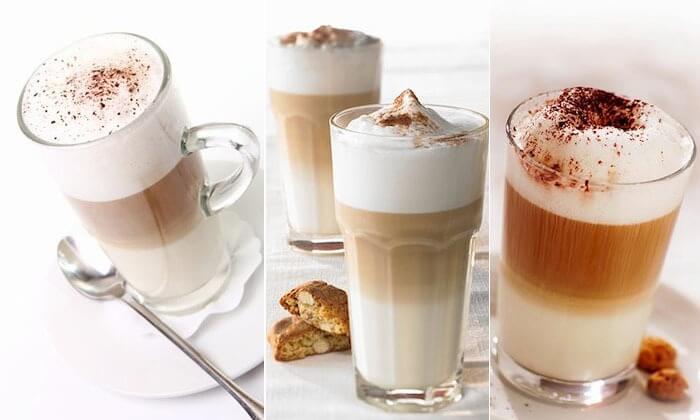
Latte Đá is a Vietnamese adaptation of the famous Italian coffee drink, caffè latte. It is a harmonious blend of intense, dark Vietnamese coffee and creamy, frothy milk, creating a smooth and satisfying beverage. The term “Đá” refers to the iced version of the drink, as it is commonly served over ice in Vietnam, making it a perfect choice for hot and humid days.
Latte Đá
Latte Đá is typically made by combining a concentrated coffee brew, often prepared with a phin or an espresso machine, with cold or steamed milk. To make the iced version, the coffee is poured over a glass filled with ice and then topped with cold or steamed milk that has been frothed and cooled. The milk can be poured over the coffee or served separately, allowing the drinker to adjust the coffee-to-milk ratio to their preference. Some variations of Latte Đá may include a touch of sweetened condensed milk to add a hint of sweetness. Latte Đá represents the fusion of traditional Vietnamese coffee culture and modern, international coffee trends. As Vietnam continues to engage with the global coffee community, the country’s coffee culture adapts and evolves to incorporate new flavors and styles. Latte Đá is a prime example of how Vietnamese coffee drinkers have embraced foreign coffee traditions and adapted them to suit local tastes and preferences. As Latte Đá gains popularity, it can be found in an increasing coffee shops across Vietnam, particularly in larger cities and tourist areas. To enjoy the best Latte Đá, seek out establishments known for using high-quality coffee beans and preparing well-crafted, balanced drinks. Some notable cafes to try Latte Đá include Katinat Saigon in Ho Chi Minh City, Hanoi’s Maison de Tet Decor, and The Coffee Collective in Đà Nẵng.

Mocha

A Mocha, also known as a caffè mocha or mochaccino, is a popular coffee drink that combines the rich flavors of chocolate, espresso, and steamed milk, creating a delicious and indulgent beverage. This sweet and creamy coffee drink has gained widespread popularity around the world. It has found its way into Vietnamese coffee culture in recent years, appealing to those who enjoy a dessert-like coffee experience.
In Vietnam, a Mocha is typically prepared by combining a concentrated coffee brew made with a phin or an espresso machine with chocolate syrup or cocoa powder. Steamed milk is then added to create a smooth and velvety texture, and the drink is often topped with whipped cream or a sprinkle of cocoa powder. Mochas can be enjoyed hot or poured over ice for a refreshing and decadent iced Mocha. The growing popularity of the Mocha in Vietnam highlights the country’s openness to embracing global coffee trends and incorporating them into its unique coffee culture. As Vietnamese coffee drinkers continue to explore new flavors and styles, the local coffee scene evolves and diversifies, reflecting the country’s dynamic and adaptable spirit. Mochas can be found in numerous coffee shops across Vietnam, particularly in urban areas and tourist destinations where international coffee trends are more prevalent. To find the best Mocha, look for establishments that use high-quality coffee beans, chocolate, and milk, and have a reputation for crafting well-balanced and flavorful drinks. Some cafes to consider include The Coffee Factory in Ho Chi Minh City, Hanoi’s The Note Coffee, and Runam Bistro in Nha Trang.

Caramel Cafe

A Caramel Cafe is a delightful coffee drink that combines the bold flavors of Vietnamese coffee with caramel’s rich buttery taste. This indulgent beverage has become popular among coffee lovers who enjoy a sweet and velvety experience. Caramel Cafe is a perfect example of how Vietnamese coffee culture continues to evolve by incorporating new flavors and styles.
In Vietnam, a Caramel Cafe is typically prepared by combining a concentrated coffee brew, made with either a phin or an espresso machine, with caramel syrup. The caramel-infused coffee is mixed with steamed milk, creating a smooth and creamy texture. Caramel Cafe can be enjoyed hot or served over ice for a refreshing and indulgent iced Caramel Cafe. The drink is often garnished with a drizzle of caramel sauce or a dollop of whipped cream for an extra touch of sweetness.
In Vietnam, a Caramel Cafe is typically prepared by combining a concentrated coffee brew, made with either a phin or an espresso machine, with caramel syrup. The caramel-infused coffee is mixed with steamed milk, creating a smooth and creamy texture. Caramel Cafe can be enjoyed hot or served over ice for a refreshing and indulgent iced Caramel Cafe. The drink is often garnished with a drizzle of caramel sauce or a dollop of whipped cream for an extra touch of sweetness. The popularity of Caramel Cafe in Vietnam demonstrates the country’s ability to blend traditional coffee practices with modern, international influences. By combining the bold, robust flavors of Vietnamese coffee with the sweet, rich taste of caramel, Caramel Cafe showcases the diverse and dynamic nature of Vietnam’s coffee culture. As Caramel Cafe gains popularity, it can be found in an increasing coffee shops across Vietnam, particularly in larger cities and tourist areas. To enjoy the best Caramel Cafe, seek out establishments known for using high-quality coffee beans, caramel, and milk and for preparing well-crafted, balanced drinks. Some notable cafes to try at Caramel Cafe include My Life Coffee in Ho Chi Minh City, The Coffee Club in Hanoi, and Faifo Coffee in Hội An.

Conclusion

In conclusion, Vietnamese coffee culture is a vibrant and diverse landscape encompassing traditional and modern coffee styles. From the bold and intense flavors of Cafe Đen to the creamy and indulgent taste of Caramel Cafe, there is a Vietnamese coffee drink to suit every taste and preference. As the country’s coffee scene continues to evolve, it remains a delightful fusion of local and international influences, offering a unique and memorable experience for coffee lovers. As a passionate barista with extensive knowledge and experience in Vietnamese coffee, I am excited to share my expertise and love for these diverse coffee styles with others. I am currently available for work in Darwin, NT, Australia. I would be delighted to bring my skills and passion for Vietnamese coffee to any establishment seeking to provide customers with an authentic and unforgettable coffee experience. Please feel free to get in touch to discuss potential opportunities or collaborations.

What is the traditional brewing method for Vietnamese coffee?

The phin filter is the traditional brewing method for Vietnamese coffee. A small metal filter sits on top of a glass or cup and slowly drips brewed coffee through a layer of coffee grounds and a metal plate with tiny holes.

What is the difference between Cafe Đen and Cafe Sữa Đá?

Cafe Đen is a traditional Vietnamese black coffee brewed using a phin filter and served either hot or iced. Cafe Sữa Đá is similar, but with the addition of sweetened condensed milk, which creates a creamy, sweet contrast to the strong coffee flavor.

What does “Bạc Xỉu” mean, and how does it differ from other Vietnamese coffee drinks?

“Bạc Xỉu” is derived from the Cantonese phrase “bạc tẩy,” which means “a little bit.” It is a lighter and sweeter coffee drink, made with a smaller proportion of coffee to sweetened condensed milk than Cafe Sữa Đá.

How has Vietnamese coffee culture evolved to incorporate Western coffee styles like Americano and Mocha?

As Vietnam’s coffee culture engages with the global coffee community, there has been a growing interest in trying new and different coffee styles worldwide. This fusion of Western and Vietnamese coffee traditions reflects the adaptability and diversity of Vietnam’s coffee culture.

Can I find these Vietnamese coffee styles outside of Vietnam?

Yes, Vietnamese coffee has gained popularity worldwide. Many of these styles can be found in Vietnamese restaurants and cafes and specialty coffee shops that feature international coffee offerings.

How can I make these Vietnamese coffee drinks at home?

To make Vietnamese coffee drinks at home, you’ll need a phin filter, coffee grounds, and, for some drinks, sweetened condensed milk. Follow the brewing and preparation methods outlined in each drink’s blog post. For Western-style drinks like Americano or Mocha, you can use an espresso machine if you have one available.

Can I use any coffee for Vietnamese coffee drinks?

While you can use any coffee, it’s recommended to use Vietnamese coffee beans, which are typically robusta beans with a robust and bold flavor profile. This will give you an authentic taste that is true to traditional Vietnamese coffee. https://cuonghoang.com/savoring-the-flavor-exploring-vietnams-most-beloved-coffee-styles/?feed_id=192&_unique_id=643c06ab246d6

Thứ Năm, 13 tháng 4, 2023

Savoring the Flavor: Exploring Vietnam's Most Beloved Coffee Styles

tháng 4 13, 2023

Coffee was first introduced to Vietnam in the 19th century by French colonists, and since then, it has grown to become an integral part of the country's culture and economy. Today, Vietnam is the world's second-largest coffee producer, with robusta beans being the primary crop.

Vietnamese coffee culture is a fascinating blend of tradition and innovation. The country's warm climate and the influence of its French colonial past have contributed to the developing of a distinct coffee culture. Coffee shops in Vietnam, known as "cà phê," can be found on every corner, from bustling cities to remote villages, and they serve as important social hubs for people of all ages. Many of these shops are adorned with charming, vintage decor and feature unique brewing methods that showcase Vietnamese coffee's intense, bold flavors.

In this blog post, we will explore some of the most popular coffee styles in Vietnam, ranging from the traditional Cafe Đen and Cafe Sữa Đá to modern adaptations like the Americano, Latte Đá, Mocha, and Caramel Cafe. These styles represent the diverse tastes and preferences of Vietnamese coffee drinkers, providing a fascinating glimpse into Vietnam's rich and ever-evolving coffee culture.

Cafe Đen

Cafe Đen, also known as Vietnamese black coffee, is an intense, dark, and bold coffee drink that showcases the intense flavors of Vietnamese robusta beans. It is a staple in Vietnamese coffee culture and is beloved by many for its rich taste and aroma. Cafe Đen is typically served either hot (Cà Phê Đen Nóng) or over ice (Cà Phê Đen Đá), depending on personal preference and the climate.

Savoring the Flavor: Exploring Vietnam's Most Beloved Coffee Styles

Cafe Đen

Cafe Đen is traditionally brewed using a small, metal Vietnamese coffee filter called a "phin." Coarsely ground coffee is placed in the phin, then set over a glass or cup. Boiling water is poured into the phin, and the coffee slowly drips through the metal filter into the glass, resulting in a concentrated and flavorful brew. For an iced version, the hot coffee is poured over a glass filled with ice, quickly cooling the drink and slightly diluting the intense flavor.

Coffee was first introduced to Vietnam in the 19th century by French colonists, and since then, it has grown to become an integral part of the country's culture and economy. Today, Vietnam is the world's second-largest coffee producer, with robusta beans being the primary crop.

While Cafe Đen is a simple and straightforward drink, there are variations and regional differences throughout Vietnam. Some regions may use different types of coffee beans or incorporate additional ingredients such as salt, butter, or even egg yolks to create unique flavors and textures. For instance, "Cà Phê Trứng" is a Hanoi specialty that combines Cafe Đen with whisked egg yolks and sweetened condensed milk, resulting in a rich and creamy coffee beverage.

While Cafe Đen is a simple and straightforward drink, there are variations and regional differences throughout Vietnam. Some regions may use different types of coffee beans or incorporate additional ingredients such as salt, butter, or even egg yolks to create unique flavors and textures. For instance,

Cafe Trứng (Cafe Đen with whisked egg yolks and sweetened condensed milk)

Cafe Đen can be found in virtually every coffee shop in Vietnam, from small sidewalk vendors to more upscale cafes. To truly appreciate the taste and aroma of Cafe Đen, it is recommended to seek out local, family-owned establishments or coffee shops that roast their own beans, as these venues often provide the most authentic and high-quality experience. Some notable places to try Cafe Đen include Giảng Café in Hanoi, Phố Cà Phê in Ho Chi Minh City, and Hội An Roastery in Hội An.

Cafe Sữa Đá

Cafe Sữa Đá, or Vietnamese iced coffee with milk, is a sweet and creamy beverage synonymous with Vietnamese coffee culture. Combining strong, dark coffee with sweetened condensed milk creates a delightful contrast of flavors that has captured the hearts of locals and visitors alike.

Cafe Sữa Đá, or Vietnamese iced coffee with milk, is a sweet and creamy beverage synonymous with Vietnamese coffee culture. Combining strong, dark coffee with sweetened condensed milk creates a delightful contrast of flavors that has captured the hearts of locals and visitors alike.

Cafe Sữa Đá is made using the same brewing method as Cafe Đen, with the addition of sweetened condensed milk. A layer of sweetened condensed milk is poured into a glass, and then the coffee is brewed using a phin directly on top of the milk. Once the brewing process is complete, the coffee and milk mixture is stirred and poured over ice, creating a refreshing and indulgent iced coffee drink.

https://www.youtube.com/watch?v=VMQxslTH_yc

Sweetened condensed milk plays a significant role in Vietnamese coffee culture, as it was widely used during the French colonial era due to the scarcity of fresh milk. The thick, sweet, and creamy consistency of condensed milk complements the strong flavor of Vietnamese coffee and acts as a preservative, allowing it to be stored without refrigeration. Its continued use in modern Vietnamese coffee culture is a nod to the country's history and the enduring influence of French culinary traditions.

Like Cafe Đen, Cafe Sữa Đá is a staple in coffee shops across Vietnam, and finding the perfect cup often comes down to personal preference. Look for cafes and street vendors that use high-quality coffee beans and have a reputation for crafting well-balanced drinks. Some popular spots to try Cafe Sữa Đá include Cong Caphe, which has locations throughout Vietnam, Trung Nguyen Coffee in Ho Chi Minh City, and Cafe Duy Trí in Hanoi.

Bạc Xỉu

Bạc Xỉu is a popular Vietnamese coffee drink known for its lighter and sweeter flavor profile compared to traditional Cafe Đen or Cafe Sữa Đá. The name "Bạc Xỉu" is derived from the Cantonese phrase "bạc tẩy," which translates to "a little bit" – in this case, a little bit of coffee. This drink is perfect for those who prefer a milder coffee taste or want to indulge in a sweet and milky beverage.

Bạc Xỉu is a popular Vietnamese coffee drink known for its lighter and sweeter flavor profile compared to traditional Cafe Đen or Cafe Sữa Đá. The name

Bạc Xỉu is made using a similar brewing method as Cafe Đen and Cafe Sữa Đá, but with a larger proportion of sweetened condensed milk to coffee. To make Bạc Xỉu, a generous amount of sweetened condensed milk is poured into a glass, followed by a smaller quantity of brewed coffee using a phin. The coffee-to-milk ratio is typically lower than in Cafe Sữa Đá, resulting in a paler and sweeter drink. Bạc Xỉu is typically served over ice, making it a refreshing and satisfying treat on a hot day.

Bạc Xỉu reflects the diverse tastes and preferences of Vietnamese coffee drinkers and showcases the adaptability of Vietnamese coffee culture. Its milder and sweeter taste profile appeals to a wide range of people, including those who may not typically enjoy the intensity of traditional Vietnamese coffee. Bạc Xỉu also highlights the continued importance of sweetened condensed milk in Vietnamese coffee, which has persisted as a key ingredient since the French colonial era.

Bạc Xỉu is widely available in coffee shops and street vendors across Vietnam, as it is a popular choice among locals and tourists. To find the best Bạc Xỉu, look for establishments that use high-quality coffee beans and have a reputation for crafting well-balanced drinks. Some cafes and shops to consider include The Coffee House, which has locations throughout Vietnam, The Hanoi Social Club in Hanoi, and The Workshop in Ho Chi Minh City.

Americano

An Americano is a coffee drink that originated in Italy and gained popularity in the United States, hence the name. It is made by diluting a shot of espresso with hot water, resulting in a beverage that is similar in strength to American-style drip coffee but with the distinct flavor and aroma of espresso. In recent years, the Americano has made its way into Vietnamese coffee culture, appealing to those who enjoy a milder, less intense coffee experience compared to traditional Vietnamese coffee.

The Americano is prepared similarly to its Western counterpart in Vietnam but with a slight twist. Instead of using an espresso machine, some Vietnamese coffee shops make their Americano using a phin to brew a concentrated coffee similar to a shot of espresso. The brewed coffee is then diluted with hot water, resulting in a milder, smoother coffee that retains the distinct taste of Vietnamese coffee beans. The Americano can be enjoyed hot or poured over ice for a refreshing iced Americano.

The growing popularity of the Americano in Vietnam reflects the country's evolving coffee culture, which embraces both traditional and modern styles. As Vietnamese coffee drinkers become more exposed to international coffee trends, there is a growing interest in trying new and different coffee styles, such as the Americano. This fusion of Western and Vietnamese coffee traditions showcases the adaptability and diversity of Vietnam's coffee culture.

As the Americano gains popularity in Vietnam, it is becoming more widely available in coffee shops nationwide, particularly in larger cities. To find the best Americano, look for establishments that use high-quality coffee beans and have a reputation for preparing well-balanced, flavorful drinks. Some notable cafes to try an Americano include The Espresso Station in Hội An, La Viet Coffee in Đà Lạt, and Shin Coffee in Ho Chi Minh City.

Latte Đá

Latte Đá is a Vietnamese adaptation of the famous Italian coffee drink, caffè latte. It is a harmonious blend of intense, dark Vietnamese coffee and creamy, frothy milk, creating a smooth and satisfying beverage. The term "Đá" refers to the iced version of the drink, as it is commonly served over ice in Vietnam, making it a perfect choice for hot and humid days.

Latte Đá

Latte Đá is typically made by combining a concentrated coffee brew, often prepared with a phin or an espresso machine, with cold or steamed milk. To make the iced version, the coffee is poured over a glass filled with ice and then topped with cold or steamed milk that has been frothed and cooled. The milk can be poured over the coffee or served separately, allowing the drinker to adjust the coffee-to-milk ratio to their preference. Some variations of Latte Đá may include a touch of sweetened condensed milk to add a hint of sweetness.

Latte Đá represents the fusion of traditional Vietnamese coffee culture and modern, international coffee trends. As Vietnam continues to engage with the global coffee community, the country's coffee culture adapts and evolves to incorporate new flavors and styles. Latte Đá is a prime example of how Vietnamese coffee drinkers have embraced foreign coffee traditions and adapted them to suit local tastes and preferences.

As Latte Đá gains popularity, it can be found in an increasing coffee shops across Vietnam, particularly in larger cities and tourist areas. To enjoy the best Latte Đá, seek out establishments known for using high-quality coffee beans and preparing well-crafted, balanced drinks. Some notable cafes to try Latte Đá include Katinat Saigon in Ho Chi Minh City, Hanoi's Maison de Tet Decor, and The Coffee Collective in Đà Nẵng.

Mocha

A Mocha, also known as a caffè mocha or mochaccino, is a popular coffee drink that combines the rich flavors of chocolate, espresso, and steamed milk, creating a delicious and indulgent beverage. This sweet and creamy coffee drink has gained widespread popularity around the world. It has found its way into Vietnamese coffee culture in recent years, appealing to those who enjoy a dessert-like coffee experience.

In Vietnam, a Mocha is typically prepared by combining a concentrated coffee brew made with a phin or an espresso machine with chocolate syrup or cocoa powder. Steamed milk is then added to create a smooth and velvety texture, and the drink is often topped with whipped cream or a sprinkle of cocoa powder. Mochas can be enjoyed hot or poured over ice for a refreshing and decadent iced Mocha.

The growing popularity of the Mocha in Vietnam highlights the country's openness to embracing global coffee trends and incorporating them into its unique coffee culture. As Vietnamese coffee drinkers continue to explore new flavors and styles, the local coffee scene evolves and diversifies, reflecting the country's dynamic and adaptable spirit.

Mochas can be found in numerous coffee shops across Vietnam, particularly in urban areas and tourist destinations where international coffee trends are more prevalent. To find the best Mocha, look for establishments that use high-quality coffee beans, chocolate, and milk, and have a reputation for crafting well-balanced and flavorful drinks. Some cafes to consider include The Coffee Factory in Ho Chi Minh City, Hanoi's The Note Coffee, and Runam Bistro in Nha Trang.

Caramel Cafe

A Caramel Cafe is a delightful coffee drink that combines the bold flavors of Vietnamese coffee with caramel's rich buttery taste. This indulgent beverage has become popular among coffee lovers who enjoy a sweet and velvety experience. Caramel Cafe is a perfect example of how Vietnamese coffee culture continues to evolve by incorporating new flavors and styles.

In Vietnam, a Caramel Cafe is typically prepared by combining a concentrated coffee brew, made with either a phin or an espresso machine, with caramel syrup. The caramel-infused coffee is mixed with steamed milk, creating a smooth and creamy texture. Caramel Cafe can be enjoyed hot or served over ice for a refreshing and indulgent iced Caramel Cafe. The drink is often garnished with a drizzle of caramel sauce or a dollop of whipped cream for an extra touch of sweetness.

The popularity of Caramel Cafe in Vietnam demonstrates the country's ability to blend traditional coffee practices with modern, international influences. By combining the bold, robust flavors of Vietnamese coffee with the sweet, rich taste of caramel, Caramel Cafe showcases the diverse and dynamic nature of Vietnam's coffee culture.

As Caramel Cafe gains popularity, it can be found in an increasing coffee shops across Vietnam, particularly in larger cities and tourist areas. To enjoy the best Caramel Cafe, seek out establishments known for using high-quality coffee beans, caramel, and milk and for preparing well-crafted, balanced drinks. Some notable cafes to try at Caramel Cafe include My Life Coffee in Ho Chi Minh City, The Coffee Club in Hanoi, and Faifo Coffee in Hội An.

Conclusion

In conclusion, Vietnamese coffee culture is a vibrant and diverse landscape encompassing traditional and modern coffee styles. From the bold and intense flavors of Cafe Đen to the creamy and indulgent taste of Caramel Cafe, there is a Vietnamese coffee drink to suit every taste and preference. As the country's coffee scene continues to evolve, it remains a delightful fusion of local and international influences, offering a unique and memorable experience for coffee lovers.

As a passionate barista with extensive knowledge and experience in Vietnamese coffee, I am excited to share my expertise and love for these diverse coffee styles with others. I am currently available for work in Darwin, NT, Australia. I would be delighted to bring my skills and passion for Vietnamese coffee to any establishment seeking to provide customers with an authentic and unforgettable coffee experience. Please feel free to get in touch to discuss potential opportunities or collaborations.

What is the traditional brewing method for Vietnamese coffee?

The phin filter is the traditional brewing method for Vietnamese coffee. A small metal filter sits on top of a glass or cup and slowly drips brewed coffee through a layer of coffee grounds and a metal plate with tiny holes.

What is the difference between Cafe Đen and Cafe Sữa Đá?

Cafe Đen is a traditional Vietnamese black coffee brewed using a phin filter and served either hot or iced. Cafe Sữa Đá is similar, but with the addition of sweetened condensed milk, which creates a creamy, sweet contrast to the strong coffee flavor.

What does "Bạc Xỉu" mean, and how does it differ from other Vietnamese coffee drinks?

"Bạc Xỉu" is derived from the Cantonese phrase "bạc tẩy," which means "a little bit." It is a lighter and sweeter coffee drink, made with a smaller proportion of coffee to sweetened condensed milk than Cafe Sữa Đá.

How has Vietnamese coffee culture evolved to incorporate Western coffee styles like Americano and Mocha?

As Vietnam's coffee culture engages with the global coffee community, there has been a growing interest in trying new and different coffee styles worldwide. This fusion of Western and Vietnamese coffee traditions reflects the adaptability and diversity of Vietnam's coffee culture.

Can I find these Vietnamese coffee styles outside of Vietnam?

Yes, Vietnamese coffee has gained popularity worldwide. Many of these styles can be found in Vietnamese restaurants and cafes and specialty coffee shops that feature international coffee offerings.

How can I make these Vietnamese coffee drinks at home?

To make Vietnamese coffee drinks at home, you'll need a phin filter, coffee grounds, and, for some drinks, sweetened condensed milk. Follow the brewing and preparation methods outlined in each drink's blog post. For Western-style drinks like Americano or Mocha, you can use an espresso machine if you have one available.

Can I use any coffee for Vietnamese coffee drinks?

While you can use any coffee, it's recommended to use Vietnamese coffee beans, which are typically robusta beans with a robust and bold flavor profile. This will give you an authentic taste that is true to traditional Vietnamese coffee.
https://cuonghoang.com/exploring-vietnams-most-beloved-coffee-styles/?feed_id=169&_unique_id=643818bae1419

Thứ Tư, 12 tháng 4, 2023

Exploring the World of Espresso: Characteristics and Common Extraction Scenarios

tháng 4 12, 2023

What is Espresso?

Espresso is a concentrated coffee beverage that originated in Italy in the early 20th century. It is made by forcing hot water, typically around 190-200 degrees Fahrenheit (88-93 degrees Celsius), through finely-ground coffee beans at high pressure, usually 9 bars or more. The process extracts the flavorful and aromatic compounds from the coffee, resulting in a small, concentrated shot of coffee with a rich, bold flavor and a signature layer of crema—a creamy, reddish-brown froth—on top.

Espresso is the base for many popular coffee beverages, such as cappuccino, latte, macchiato, and mocha. It is also enjoyed on its own as a quick, intense coffee experience.

Espresso is a concentrated coffee beverage that originated in Italy in the early 20th century

Characteristics to identify standard Espresso

A standard espresso has several distinct characteristics that set it apart from other coffee beverages. These characteristics include:

  1. Volume: A typical espresso shot is small, usually around 1 ounce (30 milliliters) for a single shot and 2 ounces (60 milliliters) for a double shot.
  2. Extraction time: The extraction process for a standard espresso should take between 25-30 seconds. This time frame ensures the optimal balance of flavors and strength in the final shot.
  3. Coffee grounds: Espresso is made with finely ground coffee beans, contributing to the beverage's concentrated flavor and thick body. The grind size should be fine enough to create resistance when hot water is forced through it but not so fine that it clogs the espresso machine.
  4. Pressure: The brewing process involves forcing hot water through the coffee grounds at high pressure, usually 9 bars or more. This pressure contributes to the unique texture and flavor of espresso.
  5. Crema: A well-made espresso will have a layer of crema on top, a reddish-brown, creamy froth formed by emulsified oils from the coffee beans. The presence of crema is an indicator of a properly extracted espresso.
  6. Taste and aroma: Espresso has a rich, bold flavor with a balanced bitterness, acidity, and sweetness. The aroma should be intense, with caramel, chocolate, nuts, or fruit notes depending on the coffee beans used.
  7. Body and mouthfeel: Espresso has a thicker, more syrupy body than other coffee brewing methods. The mouthfeel should be complete and velvety, leaving a pleasant aftertaste.
https://www.youtube.com/watch?v=k-kXS3SU0ZY

Note that these characteristics can vary depending on factors such as the coffee beans used, the freshness of the beans, the roast level, and the barista's skill.

What are some common Espresso extraction scenarios?

Several common espresso extraction scenarios can affect the quality and taste of the final shot. These scenarios include:

  1. Ideal extraction: The optimal extraction scenario results in a balanced, rich, and flavorful shot of espresso. This is achieved when the grind size, water temperature, pressure, and extraction time are all within their ideal ranges.
  2. Under-extraction: This occurs when the espresso shot is pulled too quickly, typically due to coarse grind size, low pressure, or a short extraction time. Under-extracted espresso often tastes sour or acidic, with a weak or watery body lacking complexity.
  3. Over-extraction: Over-extraction happens when the shot is pulled too slowly, often due to a grind size that is too fine, too much pressure, or a long extraction time. Over-extracted espresso tends to taste bitter, burnt, or astringent, with a heavy body and a lingering, unpleasant aftertaste.
  4. Channeling: This scenario occurs when water finds an easier path through the coffee puck, resulting in uneven extraction. Channeling can be caused by the uneven distribution of coffee grounds, inconsistent tamping, or damage to the espresso machine's components. The resulting shot may have under-extracted and over-extracted flavors, making it unbalanced and unpredictable.
  5. Blonding: Blonding refers to the lightening of the espresso as it flows from the machine towards the end of the extraction. While some blonding is normal, excessive blonding can indicate an issue with the extraction process, such as a coarse grind or uneven tamping. An overly blond shot may taste weak, sour, or watery.
https://www.youtube.com/watch?v=vge8-Y22HU8

To achieve the best espresso extraction, it's crucial to pay attention to the coffee beans' quality, freshness, and roast level, as well as the proper calibration and maintenance of the espresso machine. Additionally, mastering the techniques of even distribution, consistent tamping, and precise grind size adjustment can significantly improve the quality of the espresso.

Characteristics to distinguish between fast and slow Espresso extractions

Fast and slow espresso extractions can be distinguished by several characteristics, mainly in flavor, body, and visual cues. Here's a comparison of the two:

Fast Extraction (Under-extracted):

  1. Extraction time: Typically takes less than 25 seconds, as water passes through the coffee grounds too quickly.
  2. Visual cues: The shot may appear lighter in color, with thin or watery crema that dissipates quickly.
  3. Flavor: Tends sour or acidic, with weak or undeveloped flavors lacking complexity.
  4. Body and mouthfeel: The espresso may have a thin, watery body with little texture or richness.

Slow Extraction (Over-extracted):

  1. Extraction time: Usually takes more than 30 seconds, as water flows too slowly through the coffee grounds.
  2. Visual cues: The shot may appear darker, and the crema can be darker and thicker than in an ideal extraction. Additionally, the stream of espresso may be slow and thin (sometimes referred to as "rat tails").
  3. Flavor: Tends bitter, astringent, or burnt, with heavy or harsh flavors that overpower the coffee's natural nuances.
  4. Body and mouthfeel: The espresso may have a heavy, thick body with a lingering, unpleasant aftertaste.

By paying attention to these characteristics, you can adjust the grind size, tamping pressure, and other factors to make the ideal extraction for a balanced and flavorful espresso.

What is espresso?

Espresso is a concentrated coffee beverage originating from Italy. It is made by forcing hot water through finely-ground coffee beans at high pressure, resulting in a small, concentrated shot of coffee with a rich flavor and a layer of crema.

What is the ideal extraction time for espresso?

The ideal extraction time for a standard espresso is between 25-30 seconds.

What is the difference between a fast extraction and a slow extraction?

Fast extraction (under-extracted) typically takes less than 25 seconds, resulting in a sour, acidic flavor with a thin, watery body. Slow extraction (over-extracted) takes more than 30 seconds, producing a bitter, burnt flavor with a heavy body and lingering aftertaste.

What is crema?

Crema is the reddish-brown, creamy froth that forms on top of a well-made espresso shot. It is created by emulsified oils from the coffee beans during the high-pressure brewing process.

What are the characteristics of a standard espresso?

A standard espresso has a small volume (1 oz for a single shot, 2 oz for a double shot), an extraction time of 25-30 seconds, a thick body with a velvety mouthfeel, a rich and balanced flavor, and a layer of crema on top.

How do you adjust espresso extraction?

To adjust espresso extraction, you can modify the grind size, tamping pressure, water temperature, and pressure settings on the machine to achieve the desired balance between under-extraction and over-extraction.

What causes channeling in espresso extraction?

Channeling occurs when water finds an easier path through the coffee puck, resulting in uneven extraction. It can be caused by the uneven distribution of coffee grounds, inconsistent tamping, or damage to the espresso machine's components.
https://cuonghoang.com/espresso-characteristics-and-common-extraction/?feed_id=151&_unique_id=6437253d5ba38

Brewing Your Passion: The Journey to Becoming a Professional Barista

tháng 4 12, 2023

The gentle aroma of freshly roasted beans, the tantalizing sound of steam wands frothing milk, and the sight of a perfectly poured latte art heart. These moments ignite the passion within aspiring baristas, eager to join the ranks of coffee artisans. As a fellow coffee lover, I'm here to guide you through an emotional journey of transforming from a coffee enthusiast to a professional barista.

Discover Your Passion for Coffee:

The world of coffee is vast and filled with unique flavors, origins, and brewing methods. It's crucial to explore and learn about the coffee industry, from the history of coffee to the many different brewing techniques. Visit local cafes and roasteries, read books on coffee, and engage with the coffee community to nurture your curiosity and appreciation for this magical bean.

professional barista, coffee passion, foundation, practice, industry experience, education, certification, networking, showcase skills

Build a Strong Foundation:

Before becoming a professional barista, you must understand the fundamentals of making exceptional coffee. Learn the different types of coffee beans, roast profiles, and the significance of grind size. Get acquainted with various brewing methods such as espresso, pour-over, French press, and the art of milk frothing and latte art. Build your knowledge and refine your palate by tasting different types of coffee and attending workshops or courses.

https://www.youtube.com/watch?v=i4xTz_OwlSQ

Practice, Practice, Practice:

Once you have a solid foundation in coffee-making, it's time to put your knowledge into practice. Invest in a good quality espresso machine, grinder, and other essential equipment to practice at home. Experiment with different beans, brewing methods, and recipes to hone your skills. The more you practice, the more confident and skilled you'll become.

professional barista, coffee passion, foundation, practice, industry experience, education, certification, networking, showcase skills

Gain Experience in the Industry:

To truly understand the role of a professional barista, it's crucial to gain hands-on experience in a cafe setting. Consider working at a local coffee shop, even if it's just part-time or on weekends. This exposure will teach you essential technical skills and help you understand the customer service aspect of being a barista. Remember that a barista is not just a coffee expert but also a skilled communicator and problem-solver.

Pursue Education and Certification:

While experience is invaluable, seeking formal education in the coffee industry is also essential. Many organizations offer barista training and certification programs that can give you a competitive edge in the job market. The Specialty Coffee Association (SCA) is a prominent organization that provides various courses and certifications, ranging from coffee brewing to sensory skills.

Network with the Coffee Community:

Connect with fellow baristas, coffee professionals, and enthusiasts by attending coffee events, trade shows, and workshops. Networking will keep you up-to-date with industry trends and help you learn from experienced professionals and discover job opportunities.

Showcase Your Skills and Passion:

Finally, show off your skills and passion for coffee by participating in barista competitions or hosting your own coffee-related events. Share your coffee knowledge and experiences through social media or start a blog to demonstrate your expertise in the field. The more you showcase your abilities, the more recognition and opportunities will come your way.

Conclusion

Becoming a professional barista is an emotional and fulfilling journey fueled by passion and dedication. By following these steps, you will develop the necessary skills and knowledge and create unforgettable experiences and connections along the way. Embrace the world of coffee with open arms, and let your love for this magical beverage guide you toward your dream career.

What are the essential skills needed to become a professional barista?

Some key skills for a professional barista include understanding coffee beans, roast profiles, and grind sizes; mastering various brewing methods; and perfecting milk frothing and latte art techniques. Additionally, good communication, customer service, and problem-solving skills are vital.

Do I need formal education or certification to become a barista?

While formal education and certification are not mandatory, they can enhance your skills and knowledge, giving you a competitive edge in the job market. Pursuing courses and certifications from reputable organizations like the Specialty Coffee Association (SCA) can demonstrate your commitment to the craft.

How can I gain hands-on experience in the coffee industry?

To gain hands-on experience, consider working at a local coffee shop, whether part-time or on weekends. This will allow you to learn the technical aspects of being a barista and develop crucial customer service skills.

What type of coffee equipment should I invest in for practice at home?

Invest in a good quality espresso machine, grinder, and other essential tools like a tamper, frothing pitcher, and scale. Your own equipment will enable you to practice and experiment with different brewing techniques and recipes at home.

How can I connect with the coffee community?

Attend coffee events, trade shows, and workshops to networking with fellow baristas, coffee professionals, and enthusiasts. Engaging in the coffee community will help you stay updated with industry trends, learn from experienced professionals, and discover job opportunities.

Are there any books or resources you recommend for aspiring baristas?

Many excellent books and resources are available to help you deepen your knowledge of coffee. Some popular titles include "The World Atlas of Coffee" by James Hoffmann, "Coffee Obsession" by Anette Moldvaer, and "The Professional Barista's Handbook" by Scott Rao. Additionally, you can explore online resources, podcasts, and YouTube channels dedicated to coffee education.

How can I showcase my skills and passion as a barista?

Participate in barista competitions, host your own coffee-related events, and share your knowledge and experiences through social media or a blog. Showcasing your skills and passion for coffee will help you gain recognition and create opportunities in the industry.

https://cuonghoang.com/the-journey-to-becoming-a-professional-barista/?feed_id=133&_unique_id=6436721d5ea4c

About Us

Recent

Random